Originally developed in the early 20th century, PVC began as a material for electrical cable insulation but quickly found new uses. When combined with plasticizers, it becomes "vinyl" — a soft, flexible material perfect for everything from flooring and wall decals to plumbing pipes and signage.
There are two major types of PVC:
-
Rigid PVC (uPVC): Often used for pipes, windows, and doors.
-
Flexible PVC (vinyl): Common in flooring, upholstery, medical tubing, and more.
This guide is meant to help beginners understand how PVC vinyl works, why it’s so widely used, and what they should know when encountering or working with it.
Why PVC Vinyl Matters Today
PVC vinyl plays a significant role in both industrial and everyday applications. Here’s why it’s important:
1. Versatility
PVC can be molded, shaped, and used in hundreds of ways. It's used in building materials, medical devices, credit cards, inflatable products, and more.
2. Cost-Effective
Compared to alternatives like wood, metal, or glass, PVC vinyl offers durability at a lower price point. This makes it ideal for budget-conscious projects without sacrificing quality.
3. Weather Resistance
PVC does not corrode, and it resists moisture, sunlight, and chemicals. These properties make it ideal for outdoor uses like siding and pipes.
4. Easy to Maintain
Vinyl surfaces are typically smooth and non-porous, making them easy to clean and resistant to mold, mildew, and stains.
5. Environmental Considerations
Although not biodegradable, PVC is recyclable and increasingly manufactured with eco-friendly additives. Its long lifespan can also reduce material turnover.
PVC vinyl affects a wide range of users:
-
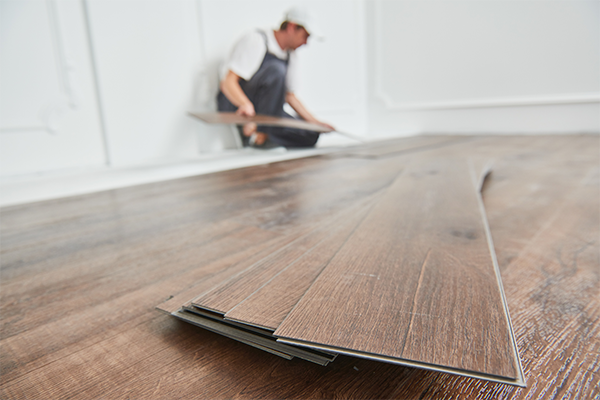
Homeowners installing vinyl flooring or wall panels.
-
DIY crafters using adhesive vinyl sheets for projects.
-
Builders and plumbers relying on PVC piping.
-
Designers and marketers creating vinyl banners and signage.
PVC solves problems like high material costs, frequent maintenance, and low durability in harsh environments.
Recent Trends and Updates in PVC Vinyl
The PVC industry continues to evolve, with growing attention on sustainability and innovation. Key developments include:
Rise of Eco-Friendly PVC
Over the past year, manufacturers have made progress in producing phthalate-free and lead-free PVC vinyl. These safer formulations align with global health standards and consumer expectations.
Growth in Luxury Vinyl Tile (LVT)
Vinyl flooring, especially Luxury Vinyl Tile, has seen a significant rise in demand, particularly in the U.S., Europe, and Asia-Pacific markets. According to a 2024 Statista report, global vinyl flooring sales are expected to surpass USD 35 billion by 2026, driven by affordability and design innovation.
Smart Manufacturing and Digital Printing
New techniques in digital printing allow for realistic wood and stone finishes, making vinyl a competitive alternative to natural materials. Smart factories also reduce waste and energy use during PVC production.
Recyclability Initiatives
Governments and companies have introduced new PVC recycling programs. For example, in 2024, the VinylPlus program in the EU recycled over 900,000 tonnes of PVC materials, encouraging sustainable lifecycle practices.
Laws and Policies Affecting PVC Vinyl Use
Different countries have regulations concerning the use and production of PVC, mainly focused on health, environmental safety, and fire resistance.
European Union (EU)
The REACH Regulation restricts the use of hazardous plasticizers in flexible PVC. The EU also encourages recycling through the VinylPlus initiative, which promotes sustainable production and disposal.
United States
The Environmental Protection Agency (EPA) oversees the emissions and waste from PVC production. Certain additives, such as DEHP, are banned or limited due to toxicity concerns.
India
India has introduced standards through the Bureau of Indian Standards (BIS) for PVC pipes and products used in construction and irrigation. The government promotes using lead-free PVC in water supply systems.
Online Resources
| Resource Name | Purpose | Website |
|---|---|---|
| VinylPlus | Sustainability initiative for PVC in Europe | vinylplus.eu |
| EPA PVC Guidelines | U.S. environmental and safety standards | epa.gov |
| Build.com PVC Guide | DIY installation tips and product comparisons | build.com |
| Pinterest Vinyl Projects | Inspiration and tutorials for crafting with vinyl | pinterest.com |
Frequently Asked Questions About PVC Vinyl
Q1: Is PVC vinyl safe to use indoors?
Yes, when manufactured without harmful additives, PVC vinyl is safe for indoor use. Look for products labeled “phthalate-free” and certified for low VOC emissions (e.g., FloorScore or GreenGuard).
Q2: How do I clean vinyl flooring or surfaces?
Use a soft mop with a mild detergent and water. Avoid harsh chemicals or abrasive tools, as these can damage the surface over time.
Q3: Can PVC vinyl be recycled?
Yes, both rigid and flexible PVC can be recycled. However, check with your local municipality or waste service to find out what types of PVC they accept.
Q4: What’s the difference between vinyl and linoleum flooring?
Vinyl is synthetic, made from petroleum-based chemicals, while linoleum is made from natural materials like linseed oil and cork. Vinyl is generally more water-resistant and budget-friendly.
Q5: Does vinyl flooring need underlayment?
It depends. Some vinyl planks come with built-in underlayment, but in most cases, especially over concrete or uneven surfaces, an additional layer helps with insulation and cushioning.
Final Thoughts
PVC vinyl is a powerful and practical material that balances cost, durability, and functionality across a wide range of uses. As it continues to evolve — especially with innovations in sustainability and design — understanding its properties, risks, and applications will help consumers and professionals make more informed decisions.
Whether you're remodeling a home, starting a craft project, or working in construction, PVC vinyl offers a reliable solution backed by decades of development and regulation. By using safe materials, following proper guidelines, and staying informed about trends, anyone can confidently navigate the world of PVC vinyl.