Help for Homeowners: Resources, Tricks, and Proven Solutions
Owning a home is one of the most significant milestones in many people’s lives, representing stability, independence, and long-term financial security. However, being a homeowner also comes with challenges—ranging from financial responsibilities such as mortgages, property taxes, and maintenance costs, to practical issues like repairs, renovations, and energy efficiency.
The need for structured homeowner support has grown in recent years. Rising property prices, fluctuating interest rates, and unexpected maintenance expenses have made it clear that homeowners often require guidance and reliable resources. Programs, tools, and advice exist to make homeownership more manageable, sustainable, and affordable. This guide explores these solutions and offers practical insights to help homeowners navigate responsibilities with confidence.

Importance
Why does homeowner support matter today? The answer lies in the unique set of challenges faced by homeowners across the world:
-
Financial Pressures: Mortgage costs, insurance premiums, and property taxes can strain household budgets.
-
Maintenance Needs: Homes require continuous upkeep, including plumbing, roofing, heating systems, and appliances.
-
Energy and Sustainability: Rising utility costs have pushed homeowners to explore energy-efficient upgrades.
-
Unexpected Events: Natural disasters, job loss, or health issues can put homeowners at risk of foreclosure or financial instability.
-
Generational Shifts: First-time buyers, particularly younger generations, often struggle with affordability and navigating complex homeownership processes.
Homeowner support programs, financial tools, and practical tips can reduce stress, protect investments, and improve living conditions. By making information accessible, more people can maintain stable housing and protect one of their most important assets.
Recent Updates
Several important developments have shaped the homeowner landscape in 2024–2025:
-
Mortgage Rates: In 2024, mortgage interest rates remained higher than pre-pandemic levels in many countries, though some regions reported slight decreases in early 2025. This has influenced both refinancing decisions and home affordability.
-
Energy Efficiency Incentives: Many governments introduced or expanded incentives for solar panels, home insulation, and energy-efficient appliances. For example, in mid-2024, the U.S. government extended tax credits for renewable home upgrades.
-
Smart Home Technology: Homeowners increasingly rely on smart thermostats, security systems, and water sensors to improve safety and efficiency. Adoption rose by nearly 20% in 2024 compared to the year before.
-
Climate Preparedness: Rising concerns about climate change have led to new programs that help homeowners retrofit properties against flooding, storms, and extreme heat.
-
Digital Tools: Online mortgage calculators, budget planners, and do-it-yourself (DIY) repair tutorials have become more widely available, helping homeowners manage costs effectively.
Laws or Policies
Government policies strongly affect homeownership, offering both protections and responsibilities:
-
Mortgage Assistance Programs: Many countries have government-backed refinancing options or payment relief for those facing financial hardship.
-
Property Tax Regulations: Rules vary widely, with exemptions often available for seniors, veterans, or low-income households.
-
Energy Policies: Incentives such as rebates, tax credits, or low-interest loans are available in multiple regions to encourage eco-friendly home upgrades.
-
Building Codes: Homeowners must comply with local safety and environmental codes for renovations, ensuring homes remain safe and efficient.
-
Foreclosure Protections: Some governments provide legal protections or mediation services to prevent unnecessary loss of homes due to financial hardship.
Policies are designed to protect homeowners’ investments, support affordability, and encourage sustainable housing development.
Tools and Resources
Homeowners can access a variety of tools and platforms to simplify ownership tasks, manage finances, and plan upgrades.
| Category | Tool/Resource | Purpose |
|---|---|---|
| Financial Planning | Zillow Mortgage Calculator, Bankrate Tools | Estimate payments, refinancing options |
| Government Programs | HUD (U.S.), local housing authority websites | Access grants, tax credits, and assistance |
| DIY and Maintenance | YouTube tutorials, Home Depot’s Project Guides | Learn repairs and renovations |
| Energy Efficiency | Energy Star, Rewiring America | Evaluate eco-friendly upgrades |
| Smart Home Apps | Nest, Ring, Ecobee apps | Improve safety and efficiency |
| Community Support | Local homeowner associations, Nextdoor | Share advice and resources with neighbors |
These resources reduce guesswork, improve budgeting, and support smarter long-term decisions.
FAQs
Q1. How can I reduce my monthly housing costs as a homeowner?
Options include refinancing your mortgage at a lower rate, applying for property tax exemptions, upgrading to energy-efficient appliances, and performing preventive maintenance to avoid costly repairs.
Q2. What should I do if I can’t keep up with my mortgage payments?
Contact your lender immediately to discuss options such as loan modification, refinancing, or temporary payment relief. Many government programs also offer foreclosure prevention assistance.
Q3. Are home renovations worth the investment?
Renovations can increase comfort and property value, but it’s important to prioritize upgrades that provide a return, such as kitchen remodels, energy efficiency improvements, or roof replacements.
Q4. How do I make my home more energy efficient?
Start with insulation, LED lighting, and smart thermostats. Consider larger upgrades like solar panels if incentives or rebates are available in your region.
Q5. Do I need insurance as a homeowner?
Yes. Home insurance is crucial to protect against damage, theft, and liability. Some regions also require flood or earthquake insurance, depending on location.
Conclusion
Homeownership is both rewarding and demanding. While it represents financial stability and personal independence, it also requires careful planning, ongoing investment, and adaptability to changing conditions. Recent updates in housing markets, technology, and sustainability have made it more important than ever for homeowners to stay informed.
By leveraging available tools, government programs, and proven strategies, homeowners can reduce financial pressure, protect their property, and create a safe, efficient, and comfortable living space. With the right support, challenges can be transformed into opportunities, making homeownership more sustainable and rewarding in the long term.

You may also like...
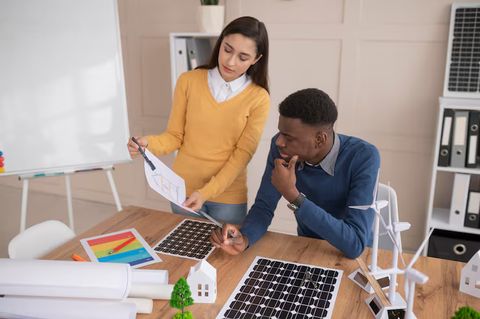
Solar Power Panels Tips: Practical Advice, Tricks, and Smart Hacks
Last Update: September 17, 2025
Read
A Practical Guide to Navigating Recruitment Agencies for Foreign Workers in Switzerland
Last Update: September 17, 2025
Read
Learn the Basics of Boat Rentals: Introduction, Help, and Easy Methods
Last Update: September 17, 2025
Read